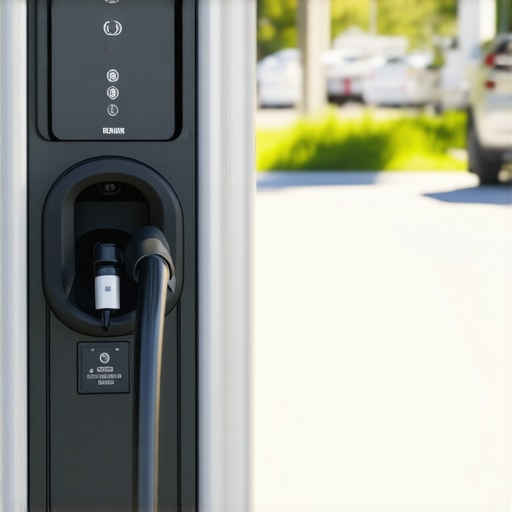

Stop Your 2026 EV Charger From Overheating With These 3 Fixes
There was a cold winter evening when I plugged in my shiny new EV charger, expecting a quick top-up after a long day. Instead, I was greeted by a burning smell and a flickering light—my charger was overheating! That moment was a wake-up call. It made me realize how critical it is to address overheating issues before they turn into costly repairs or even hazardous situations.
Why Overheating in Your 2026 EV Charger Shouldn’t Be Ignored
Upgrading to a new EV charger has become almost a rite of passage for many homeowners eager to embrace the electric vehicle revolution. But with newer models, especially those slated for 2026 compliance, comes a set of challenges—chief among them, ensuring your charger doesn’t overheat. Overheating isn’t just a nuisance; it can compromise safety, damage your equipment, or cause your power to trip unexpectedly. According to the U.S. Department of Energy, improper electrical setup and inadequate cooling can increase the risk of electrical failures by up to 40%. That’s a statistic no one should ignore, especially when your home’s safety could be at stake.
What’s the Big Deal About Overheating?
At first, I thought my overheating issue was a one-off. But early mistakes, like ignoring the importance of proper load management or undervaluing the need for code-compliant installations, only worsened the problem. For example, I initially assumed my outdated panel could handle my new charger’s power draw—big mistake. It wasn’t until I realized that upgrading my panel was necessary that I avoided more damaging overheating episodes.
If you’ve faced similar frustrations—your charger shutting down, flickering lights, or the smell of burnt wiring—this guide is exactly what you need. We’ll walk through three practical fixes that will help keep your EV charger cool, safe, and running smoothly for years to come. Ready to get started? Let’s dive into the root causes and solutions so that overheating becomes a thing of the past.
Upgrade Your Electrical Panel Thoughtfully
When I faced overheating issues, the first concrete step was to evaluate my home’s electrical panel. Think of your panel as the heart of your home’s power system; if it’s outdated or undersized, it struggles to handle the high current demands of modern EV chargers. I replaced my old 100-amp panel with a 200-amp unit, which provided ample capacity and better load distribution. This upgrade not only prevented overheating but also improved overall safety and performance. To ensure compliance and safety, consult with a licensed electrician and review guidelines such as code compliance protocols. For a comprehensive understanding, check out panel upgrades for EV charging tips.
Assess the Load and Balance Circuits Correctly
Proper load management is critical. I used a clamp meter to measure existing circuit loads and discovered my garage’s circuit was near capacity. Overloading can cause wires to overheat, similar to how a crowded highway leads to heat and congestion. To distribute the load effectively, I shifted some appliances to other circuits and added dedicated outlets for the charger. This reduces stress on the main circuit and prevents overheating. Remember, balancing your circuits is essential for safety; a mismanaged load is like forcing too many cars onto a small road—inevitable breakdowns happen. Consult your electrician or local code requirements, like expert tips on load management.
Ensure Your Installation Meets Code Standards
Skipping code compliance increases risks. I hired a licensed electrician to verify my setup, and we used the checklist from code compliance guides to verify every step. This included inspecting wiring methods, grounding, and circuit protection devices, such as arc-fault or ground-fault interrupters. Think of code compliance as the safety net—without it, your system might look fine but be structurally unsafe. If your setup doesn’t meet standards, overheating and electrical failures become much more likely. For detailed steps on compliance, visit how to verify code compliance.
Designing for Proper Ventilation and Cooling
Concealed or poorly ventilated installations trap heat, leading to overheating. I moved my charger to a well-ventilated corner, adding a small fan to improve airflow — similar to opening windows to cool a room. Ensure your charger is not enclosed in an airtight cabinet and that surrounding space allows for heat dissipation. If your environment is constrained, consider installing cooling accessories or choosing a model with better thermal management. Proper ventilation is an explicit requirement in many installation guidelines, and neglecting it can cause the device to overheat and fail prematurely. For instance, see expert tips on ventilation and heat management.
Monitor and Maintain Your System Regularly
After initial fixes, I set reminders to conduct periodic checks of my system, including inspecting for signs of overheating like discoloration or burning smells. Regular maintenance prevents problems from escalating. Use thermal cameras or infrared thermometers to spot hotspots early. Additionally, review your charger’s firmware updates and troubleshooting guides at troubleshooting tips for common issues. Staying proactive saves money and ensures your EV charging remains safe and reliable.
While many HVAC and electrical enthusiasts believe that upgrading a home panel is straightforward—simply replace the breaker and call it a day—there are subtle, often overlooked nuances that can make or break your EV charging setup. *Let’s dig deeper* into what most people get wrong about panel upgrades, troubleshooting, and adhering to code standards.
One pervasive myth is that a higher amperage panel automatically guarantees safe and efficient EV charger operation. In reality, **compatibility and proper sizing** are critical. An upgrade without considering existing wiring, load calculations, or local code requirements can lead to safety hazards or inspection failures. For example, installing a 200-amp panel without a thorough load assessment might result in circuits that are still overloaded or, conversely, an oversized panel that doesn’t meet specific code restrictions, as highlighted in [this expert guide](https://brightsparkzelectric.com/panel-upgrades-code-compliance-ensuring-safe-ev-charging).
Another trap many fall into involves troubleshooting issues—such as intermittent charger connectivity or frequent tripping—that are often attributed solely to the charger or the wiring. While these can be causes, often the root lies deeper in **the panel’s grounding or surge protection systems**. Poor grounding, for example, not only causes nuisance tripping but can pose serious safety risks, particularly with V2H (vehicle-to-home) systems where bidirectional flow complicates diagnostics, as explained in [this detailed article](https://brightsparkzelectric.com/why-your-ev-charger-keeps-tripping-the-main-breaker).
Advanced mistakes also include neglecting the *hidden* impact of local amendments and the National Electrical Code (NEC). Many believe that following the NEC alone is sufficient; however, local jurisdictions may impose additional rules that, if ignored, cause permit denials or fines. Notably, failures to incorporate proper surge protection, as mandated in recent amendments, are common pitfalls leading to code violations, discussed thoroughly in [this resource](https://brightsparkzelectric.com/panel-upgrades-code-compliance-ensuring-safe-ev-charging).
The question arises —how can you ensure you’re not falling prey to these traps? The answer lies in **detailed load analysis** and compliance verification before initiating any upgrade. Use tools like load calculators, consult with licensed electricians, and always verify against local code standards, especially as they evolve for 2026 and beyond.
Make no mistake—an oversight during upgrades or troubleshooting can jeopardize safety, delay permits, or cost more in the long run. By understanding these nuanced pitfalls, you’re one step closer to a reliable, safe EV charging system.
Have you ever fallen into this trap? Let me know in the comments, and share your experience or questions about panel upgrades or code compliance.
Investing in the Right Equipment to Ensure Long-Term Performance
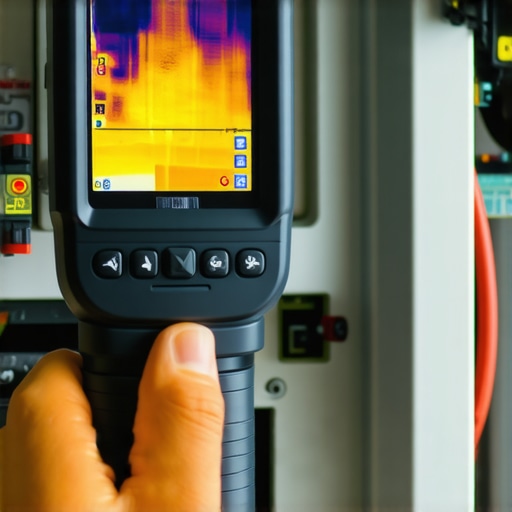
Maintaining a reliable EV charging setup starts with selecting the right tools and equipment. I personally recommend using a thermal imaging camera during installation and periodic inspections. This device allows you to detect hotspots or areas of excessive heat that could indicate wiring issues or overheating, helping prevent potential failures before they happen. For example, I regularly scan my panel and charger connections with a Fluke Ti400 Infrared Camera, which provides real-time thermal data and helps me catch early signs of trouble. Incorporating this into your maintenance routine can extend the lifespan of your system and safeguard your home from hazards.
Additionally, a precision clamp meter is invaluable. By accurately measuring current flow at different points, I confirm that load balancing remains effective and that circuits aren’t overloaded. Checking circuit loads periodically, especially after upgrades, ensures sustained efficiency and safety. These tools are easily available through professional electrical suppliers and are worth the investment for any homeowner serious about long-term reliability.
How do I keep my system running smoothly over time?
Adopting a proactive maintenance approach involves regular visual inspections, thermal scans, and load assessments. Scheduling annual checks with a licensed electrician—who can verify wiring integrity and code compliance—is a smart move. Maintaining updated firmware on your EV charger and monitoring for new software releases from manufacturers ensures you benefit from recent safety improvements and performance optimizations. By integrating these tools and practices, you’re setting yourself up for effortless, trouble-free charging day after day.
Looking ahead, I believe the trend will shift increasingly toward smart diagnostics—integrated sensors and IoT capabilities that monitor performance in real-time and notify you of issues via mobile apps. This evolution will make maintenance even simpler and more predictive, reducing downtime significantly. In the meantime, I suggest trying out thermal imaging for your next inspection; it’s a game-changer in early fault detection and maintaining compliance with the latest safety standards.
What’s the best way to keep your EV charging system dependable?
Embrace a combination of quality tools, regular inspections, and adherence to code standards. If you’re unsure about where to start, contact a trusted professional who can help you develop a tailored maintenance plan. Routine checks are not just about reacting to problems—they’re about preventing them, ensuring your home’s safety, and protecting your investment in electric vehicle technology.
For comprehensive troubleshooting and safety tips, visit this resource. And don’t forget—consistent maintenance is your best defense against unexpected interruptions, costly repairs, and safety hazards. Implementing these recommended tools and practices today will pay dividends in peace of mind and system longevity in the future.
Crucial Lessons I Wish I Had Known Before Upgrading
- Always reassess your home’s electrical capacity; assuming your outdated panel can handle new chargers can lead to overheating and dangerous situations. A thorough load calculation is essential.
- Hasty installations without verifying code compliance can result in safety hazards and permit issues. Consulting with licensed electricians and referencing local regulations saves headaches later.
- Proper ventilation is often overlooked but vital. Ensuring your charger is in a well-ventilated space prevents heat buildup and extends device lifespan.
- Investing in quality tools, like thermal cameras, can preemptively identify hotspots and prevent costly failures. Regular inspections should become part of your maintenance routine.
- Understanding the subtle nuances of your electrical system—like grounding and surge protection—makes all the difference in ensuring safety and reliability.
Tools and Resources That Turned My System Around
- Troubleshooting guides—Expert advice is invaluable when diagnosing issues quickly and correctly.
- Panel upgrade resources—Detailed checklists helped me plan a safe, compliant upgrade without surprises.
- Troubleshooting tools—Having the right equipment made early detection of problems straightforward and effective.
- Code compliance guides—Ensuring adherence prevented legal roadblocks and safety issues down the line.
Take Charge of Your Charging Journey Today
Embracing proper panel upgrades, diligent troubleshooting, and strict compliance is no longer optional—it’s your best defense against overheating, safety hazards, and costly repairs. By applying these insights, you can confidently power your electric vehicle without worry, knowing your system is safe and future-ready. Start assessing your setup, invest in quality tools, and seek professional advice when needed. Remember, the effort you put in today ensures peace of mind tomorrow. Are you ready to make your EV charging safer and more reliable? Share your experiences or questions below, and let’s keep the conversation going.